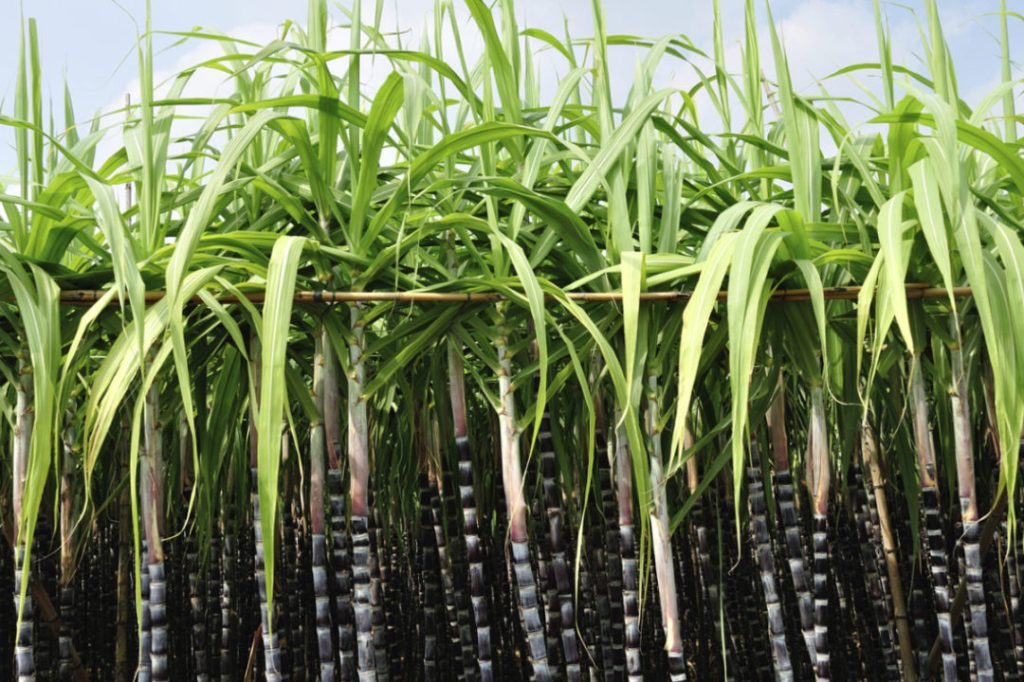
Sugarcane History
Source: https://www.saveur.com/sugar-history-of-the-world/
10,000 B.C. – Honey, tree saps, agave nectar, and fruit pulps are the primary sweeteners of the world.
8,000 B.C. – Sugarcane is first cultivated in its native land, Papua New Guinea. People would chew on the reeds to enjoy the sweetness, and presumably extract its juice for drinking.
6,000 B.C. – Sugarcane travels by ship to India and the Philippines. It is first refined in India, where the earliest description of a sugar mill is found in a text dating to 100 A.D.
400-350 B.C. – First known written recipes calling for sugar appear in the Mahabhashya of Patanjali.
327 B.C. – Greeks and Romans learn about sugar during voyages to India. Small amounts are brought back to the Mediterranean and traded to physicians who use it for medical purposes.
500-600 A.D. – The Jundi Shapur, a university of Greek, Christian, Jewish, and Persian scholars, references sugar in their writings. They improve the sugar refining process dramatically.
650 A.D. – The Arabs continue to develop food and drink recipes with sugar – notable of which is marzipan. Their knowledge of sugar, its uses, and its recipes spreads via the Early Muslim Conquests to lands including Egypt, Persia, India, and the Mediterranean. Under Arab rule, the Egyptians master the refining process and become known for making the purest, whitest sugar.
1099 – Europeans conquering Jerusalem learn the details of sugar production, which was a profitable business in the city at the time. When the soldiers return home, they bring sugar with them, sparking widespread demand across Europe. The sweetener remains so rare and expensive that it’s only available to the wealthiest classes until the 1300s.
1402-1500 – The Spanish colonize the Canary Islands, setting up sugar plantations and enslaving indigenous people to run the mills. Export back to Spain is up and running by 1500, though, when the islands become mostly deforested, the sugar industry falters. In 1493, Columbus brings sugar cane from the Canary Islands to Hispañola (Haiti and the Dominican Republic). By 1516, Hispañola is the most important sugar producer in the New World.
1583 – São Tomé, a Portuguese colony that can’t keep up with Brazil’s rate of sugar production, starts exporting slaves to Brazil and other New World islands to work on sugar plantations. It’s a profitable business. By the late 16th century, Brazil out-produces all of the New World colonies and the Mediterranean. The Mediterranean sugar industry collapses.
1600s – Coffee, tea, and chocolate have made their way to Europe. Their arrival drastically increases sugar consumption, making sugar incredibly popular. Increasing demand—with lower prices—means a greater reliance on slavery. During the 17th century alone, over half a million African slaves are shipped to Brazil and other New World colonies to work on sugar plantations.
1791 – The British Parliament fails to pass the Slave Trade Abolition Bill, which leads to an abstention movement. Abolitionists boycott slave-grown sugar, and the movement increases the demand for slave-free sugar grown in India. American abolitionists also try to avoid Caribbean-grown sugar, turning instead to the maple sugar industry. In 1789, some residents of Philadelphia agree to buy certain amounts at fixed prices in hopes of helping the industry take off. The U.S. government urges Americans to make maple syrup at home and to avoid sweets sold in shops.
1807 – Thomas Jefferson signs a bill that prohibits importing slaves to the U.S. Shortly after, the British House of Lords passes an act for the abolition of the slave trade. But slavery remains a widespread practice, continuing in:
the British West Indies until 1834
the French colonies until 1848
the U.S. until 1866
Cuba until 1886
and Brazil until 1888
1817 – Ribbon Cane, a fast-maturing sugarcane variety that grows well in the Louisiana territory’s swampy climate, is introduced to the region’s 75 sugar mills. The new production is enough for Congress to pass tariffs on imported sugar, raising demand for cheap slave labor to grow the American sugar industry. Higher yields and plummeting prices, across the U.S. and the Caribbean, help make sugar cheap and accessible to common consumers.
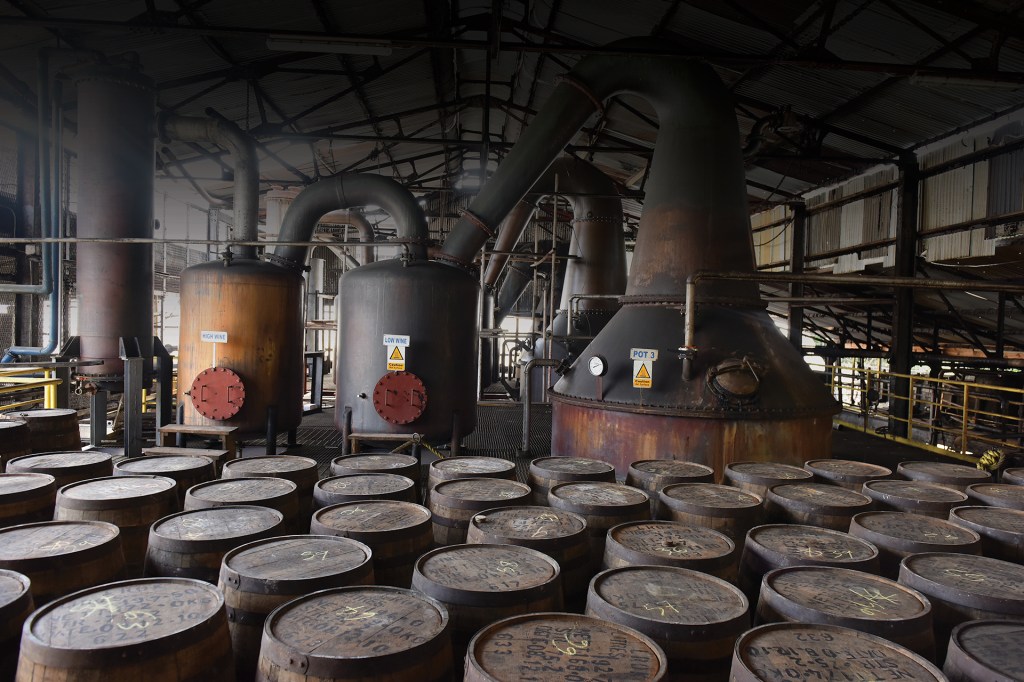
Rum History
Source: And a Bottle of Rum: A History of the New World in Ten Cocktails by Wayne Curtis
1st Century CE – Early distillations of sugar cane may have been performed by alchemists in Roman Egypt or the Indian subcontinent.
1552 – Earliest recorded documentation of sugarcane distillate in Brazil included in a report by Governor Tomé de Sousa. He refers to it as “cachaço”. Spanish and Portuguese colonizers have already begun transporting African slaves to the New World.
1600s – Barbados becomes one of the biggest exporters of refined sugar in the Caribbean. Molasses, a black, sticky byproduct of sugar production is typically thrown away, dumped into the ocean, or fed to livestock. Eventually, some European plantation owners, familiar with the distillation of whiskey and brandy from their homelands, experiment with the distillation of molasses. Evidence suggests there was rum production occurring as early as 1638. By 1651 we see the first written reference to “Rumbullion” and “Kill-Devil”, both early terms for rum.
1655 – Rum is officially rationed out to British navy sailors for the first time during the siege of Spanish-controlled Jamaica. Beer, wine, and brandy will remain the predominant Navy rations until the early 1800s, however.
1680s – By now, the number of African slaves on Barbados has grown to over 50,000; about two per arable acre, and 2.5 for every European colonist. Across the West Indies, a typical plantation holds anywhere from 50-300 enslaved Africans. Around 5 million slaves were brought to the Caribbean in total.
1700s – Rum distillation is occurring in nearly all of the British, French, Spanish, Dutch, and Portuguese colonies of the New World. Sugarcane growers are able to make use of their industrial waste (molasses) in order to generate more profit.
1740 – British Royal Navy Admiral Edward Vernon (nicknamed “Old Grogram” after his signature Grogram coat) orders that all rum rationed to his sailors be “mixed with the proportion of a quart of water to every half pint of rum”. The drink becomes known as “Grog” and is often mixed with sugar and lime to improve the taste. By 1756, this order becomes codified across the entire British navy.
1764 – American colonies are buying the vast majority of their molasses from French Caribbean islands (low cost, high production compared to British-controlled islands). As a result, England enacts the Sugar Act which imposed a tax of three pence per gallon on imported molasses.
1764-1766 – American colonists draw up petitions and pamphlets, and organize the “Committees of Correspondence”, a network of communication between the colonies, in resistance to the Sugar Act. The law is amended in 1766, and the tax is reduced to one cent per gallon. This collaboration between the colonies against the Crown would prove to set the groundwork for the Revolutionary War.
1765 – England, wary of the American colonies’ success in rolling back the Sugar Act, enacts other taxes on tea, printed goods, and stamps. So is born “no taxation without representation”, the Boston Tea Party, and the start of the Revolutionary War – all because of molasses and rum!
1800s – Rum production rapidly declines due to war, the U.S. Embargo Act of 1807, the abolition of slavery in the British, French, and Spanish empires, temperance movements, and the shifting of tastes; Rum came to be seen as a relic of British control – Americans shifted focus to beer, gin, and whiskey production as a show of patriotism. Great Britain, France, and Holland transport thousands of indentured workers from India and China to their Caribbean territories – the descendants of whom make up a notable portion of the region today.
1865-1900 – The “Golden Age of American Drinking”. The first cocktail craze, resulting in the creation of dozens upon dozens of classic cocktail recipes – very few of which feature rum. Brandy, gin, and whiskey prove to be most popular.
1920-1933 – American Prohibition. Those who can afford to travel head to nearby Cuba to get their cocktail fix. As many as twenty thousand Americans visit Cuba per week at the height of the travel boom. They are introduced to the clean, crisp “Spanish-style” rum, a stark contrast from the rich, oily, funky “English-style” rum of the Colonial era. Fancy Cuban cocktails become all the rage; the Daiquiri, the Mojito, the El Floridita, and the El Presidente. Rum becomes regarded as elegant and sophisticated. Cuban rum company Bacardí rises to prominence.
1933-1939 – After Prohibition, rum imports to the U.S. explode. Companies like Bacardí, Wray & Nephew, and Mount Gay rise to dominate the international rum markets, making American-distilled rum of little interest. Cuban-style rum remains the most in-demand style of rum in the world.
1936 – Bacardí opens a second distillery outside of San Juan, Puerto Rico, in order to take advantage of tax exemptions on imports to the U.S. This facility would go on to become the largest rum distillery in the world.
1937 – The first pre-prepared drink mixes appear, as well as the introduction of the Waring Blender. The beginning of the Dark Age of Cocktails has begun.
1941-1945 – American involvement in WWII. The U.S. bans domestic production of gin and whiskey at the nation’s 128 operating distilleries. Rum and brandy production, however, is permitted to continue. Rum imports to the U.S. from the West Indies skyrockets – production increases fivefold in Puerto Rico, Barbados, and Trinidad. Quality drops significantly, as much of the rum is produced hurriedly and without aging. Mixing the poor-quality rum with Coca-Cola becomes popular, both with Americans at home and soldiers abroad.
1946-1949 – After a brief post-war boom, liquor sales drop significantly. Stockpiles of poor quality wartime rum plague U.S. warehouses. Rum sales fall to only 1.3 percent of the total liquor market. Puerto Rico is left with 20 million gallons of rum in storage – more than every other rum producing nation combined! Rum distilleries across the globe close en masse.
1950s – Blandness is king in the 50s – from food to drink to home decor. Inspired by the rise in vodka’s popularity, rum producers shift even further to the Cuban/Bacardí style in hopes of bouncing back from post-war decline. Puerto Rico sets a minimum aging standard – three years – to ensure higher quality and increase public opinion. Bacardí, and others, spend millions on advertising in the U.S. to try and increase demand – some of which is funded by the U.S. government. Eventually, sales of Puerto Rican rum rebound and soon outperform all other Caribbean producers combined.
1950s-1960s – The Tiki craze hits its peak. As a response to the sterility and blandness of the 50s, it highlights all things flavorful, colorful, vibrant, and ornamental. Flavorful rums from Jamaica, Guyana, and Martinique start to gain popularity. James Beard pens several columns for House & Garden highlighting the various rums of the world and their merits.
1970 – On July 31st, the British Royal Navy issues the last daily rations of rum. This becomes known as “Black Tot Day”. (RIP)
1970s-2000s – With advancements in artificial flavoring technology, so begins the era of commercially flavored rums and florescent corn-syrup-based drink mixes. Captain Morgan, Malibu, Bacardí, Cruzan, and many more brands offer endless flavor options. The world of food also sees a dip in quality, freshness, and authenticity. These are dark times…
2000s-Present – The craft cocktail movement and gastronomic renaissance resurrect fresh ingredients back to the bar. Flavored and spiced rums remain massive sellers, but consumers are once again drawn back to authentically made, flavorful rums of the world. American craft distilleries boom, Tiki is reincarnated, and rum is once again on the rise!
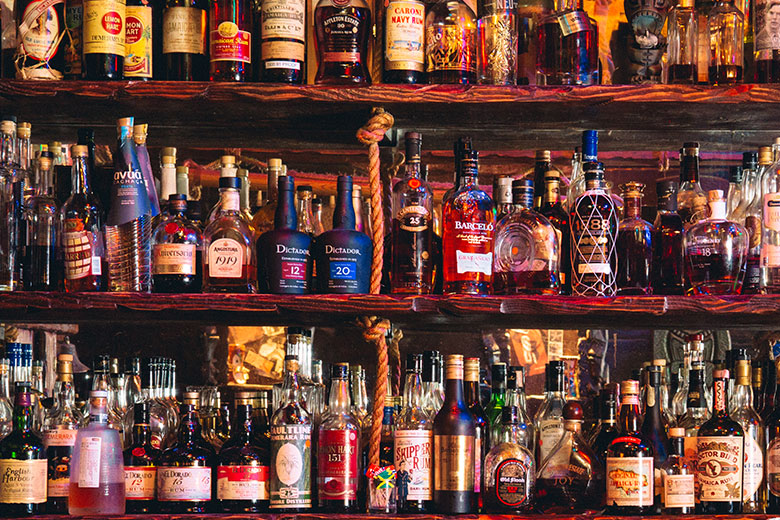
Rum Categories & Classification
The categorization of rum has proven to be complicated, as rum varies wildly from region to region. The American market has been categorizing rum by “color” for a century or more (light, gold, dark, spiced) to appeal to a broad, albeit uninformed, consumer base. While this system may lend a small amount of insight as to what’s in the bottle, it is woefully shortsighted in scope; three different “gold” rums from Puerto Rico, Martinique, and Jamaica may be the exact same shade, but are made of different ingredients with different methods, resulting in dramatically different aromas and flavors. A “white” rum from Jamaica or Guyana could be high-proof and completely unaged, versus a “white” rum from Nicaragua or Puerto Rico which has been aged in oak and carbon filtered to remove its color.
A very broad way to categorize cane spirits is by referencing the “parent” country of the Caribbean colony where the rum traditions originated. While problematically imperialist, this is a very simple method of denoting lots of data at once. For example, former English colonies like Barbados, Jamaica, and Guyana are known for producing molasses-based rum using both pot and column stills, often either blended together or entirely pot-distilled. We can generally refer to these rums as “English Style”. The issue here, other than blatant imperialism and local cultural erasure, is that distinct differences still exist between these three rums. Below is a quick breakdown of each of the “parent country” categories:
- English Style Rum
- Territories: Jamaica, Barbados, Trinidad & Tobago, British Virgin Islands, Antigua, St. Lucia, Guyana (Demerara), Mauritius
- Production: Pot and column distilled from molasses. Most commonly a blend of pot and column or sometimes entirely pot-distilled. Barrel aging in ex whiskey barrels is very common.
- Often described as heavy, flavorful, funky, powerful, rich
- Spanish Style Rum
- Territories: Cuba, Puerto Rico, Dominican Republic, Venezuela, Guatemala, Nicaragua, Panama, Colombia, Peru, Costa Rica
- Production: Column distilled from molasses (or in some cases, cane syrup), aged in ex whiskey barrels, filtered for taste and color. “Solera” style aging methods sometimes used.
- Often described as light, buttery, oily, and round
- French Style Rhum
- Territories: Martinique, Guadeloupe, Marie Galante, Haiti, French Guiana, Réunion, Mauritius
- Production: Column distilled from fresh-pressed sugar cane juice, often steel-rested or aged in ex whiskey or French oak casks.
- Often described as funky, vegetal, grassy, fruity, intense, complex
Another method of rum categorization comes from Martin Cate of Smuggler’s Cove; He recommends sorting rums first into two broad categories: “Molasses and Evaporated Cane Rums” and “Fresh Cane Juice Rums”. Fair enough. Next, he breaks down the former category into thirteen sub-categories based on the type of still used and the age of the rum. This method is a step in the right direction, but still has its flaws. For example, the “Blended Lightly Aged” category lists Appleton Signature Blend, Banks 5 Island, Diplomatico Añejo, and El Dorado 3 Year all together. These rums include distillates from Jamaica, Trinidad, Guyana, Barbados, Java, and Venezuela, which each have wildly different methods of producing rum, yet they’re all grouped together.
Yet another method was introduced by Luca Gargano of Velier SpA; Differentiate rums by their raw material (molasses and/or cane juice), and their methods of manufacture (pot still, single column still, multiple column still, etc.). Further sub-categorization also helps to identify region and tradition (ex. Jamaican Pure Single Rum, Martinique Pure Single Agricole Rum, etc.). The Gargano categories are:
Pure Single Rum (100% pot still from one distillery, molasses)
Pure Single Agricole rum (100% pot still from one distillery, cane juice )
Single Blended Rum (Pot + Column from the same distillery)
Traditional Rum (single/artisanal column)
Agricole Rum (single/artisanal column)
Rum (multicolumn + 95% abv)
Matt Pietrek a.k.a. Cocktail Wonk offers a more comprehensive matrix-based categorization method. I’ll just link to it here since it is so detailed.
For the purposes of this club I recommend classifying by region, with method and age information as further descriptors. In our aim to appreciate and explore the cane spirits of the world, we must always keep one thing in mind: TERROIR! We must learn to appreciate the subtle differences in cane varieties as well as the ecosystems and traditions that feed them. As many of us are bartenders, however, it may be productive to hold periodic discussions regarding a broader, more comprehensive classification system… To Be Continued, I suppose.
 Baltimore Cane Society